In today’s world, the internet has leveled the playing field. Anyone with a clear idea, determination, and the right tools can launch a business that reaches customers across the globe. But while the opportunity is vast, success requires more than just enthusiasm—it demands structure, planning, and execution. So, what does it really take to start an online business? Let’s walk through the journey step by step.
From Idea to Plan
Every business begins with an idea, but ideas alone don’t pay the bills. The first step is to define your niche: what exactly are you offering, and who needs it? Whether it’s handmade crafts, digital courses, or consulting services, clarity about your audience and value proposition is essential.
Once you’ve nailed down your concept, create a business plan. Think of it as your roadmap—it should outline your goals, pricing strategy, marketing approach, and financial projections. This plan doesn’t just keep you focused; it also helps if you ever seek investors or partners.
Laying the Legal Groundwork
Before you dive into design and marketing, make sure your business is legally sound. Register your company, secure any necessary licenses, and understand your tax obligations. It’s not the most glamorous part of entrepreneurship, but it’s the foundation that protects you as you grow.
Crafting Your Online Presence
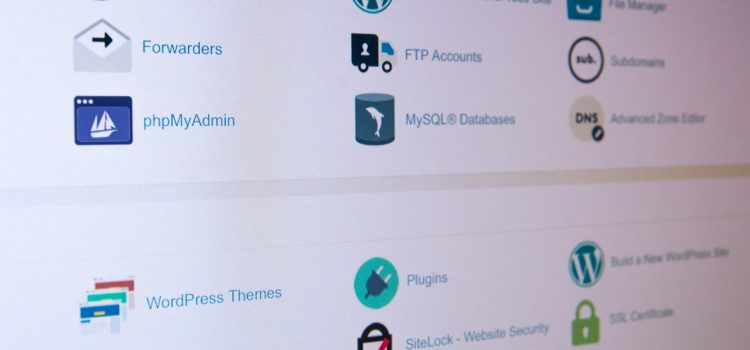
Your online presence is your storefront, and in the digital marketplace, first impressions matter. Start by securing a domain name and reliable hosting through www.ebdhosting.com. A professional domain instantly builds credibility, while strong hosting ensures your site runs smoothly.
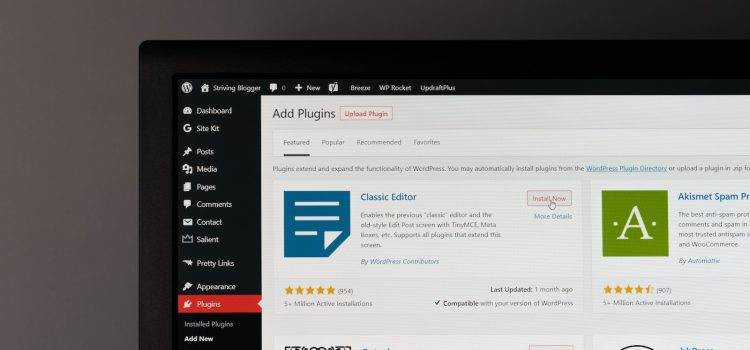
Next, design your website. Whether you use WordPress or WooCommerce, make sure your site is clean, mobile-friendly, and easy to navigate. Pair this with strong branding—a logo, color scheme, and consistent messaging—to make your business recognizable and memorable.
Think of your website as more than just a shop; it’s a hub where customers learn about your story, values, and products.
Setting Up Operations
Behind every smooth online purchase is a well-oiled system. You’ll need secure payment gateways like PayPal, Stripe, or mobile money solutions to handle transactions. If you’re selling physical goods, plan logistics for storage, packaging, and delivery. For digital products, ensure your downloads or access links are automated and reliable.
Customer support is equally important. Whether through email, live chat, or a helpdesk system, make sure customers can reach you easily and feel valued.
Marketing: Turning Visibility into Sales
A beautiful website means little if no one sees it. Marketing is where your business comes alive. Build a presence on social media platforms where your audience spends time. Use SEO and content marketing to attract organic traffic, and consider paid ads on Google or Facebook to scale quickly.
Don’t underestimate the power of email marketing. Collect customer emails and nurture them with newsletters, promotions, and updates. Over time, this builds loyalty and repeat sales.
Tracking and Optimizing
Finally, measure everything. Use analytics tools to track traffic, sales, and customer behavior. This data helps you refine your strategy, identify what’s working, and cut what isn’t. Pair this with accounting software to keep a close eye on your finances.
Optimization is not a one-time task—it’s a continuous process. The most successful online businesses are those that adapt quickly to trends and customer needs.
Conclusion
Starting an online business is both challenging and rewarding. Begin with the basics: secure your domain and hosting at www.ebdhosting.com, build a simple site, and focus on one strong marketing channel. As you gain traction, scale with automation, advertising, and advanced analytics.
The digital marketplace rewards clarity, persistence, and adaptability. With the right foundation, your online business can grow into a thriving enterprise that reaches far beyond borders.